


I’ve lost over 90 pounds eating delicious, high-protein, low-carb foods — and that includes dessert. Because the truth is, you can have your cake and hit your protein goals too… you just have to get creative with the ingredients.
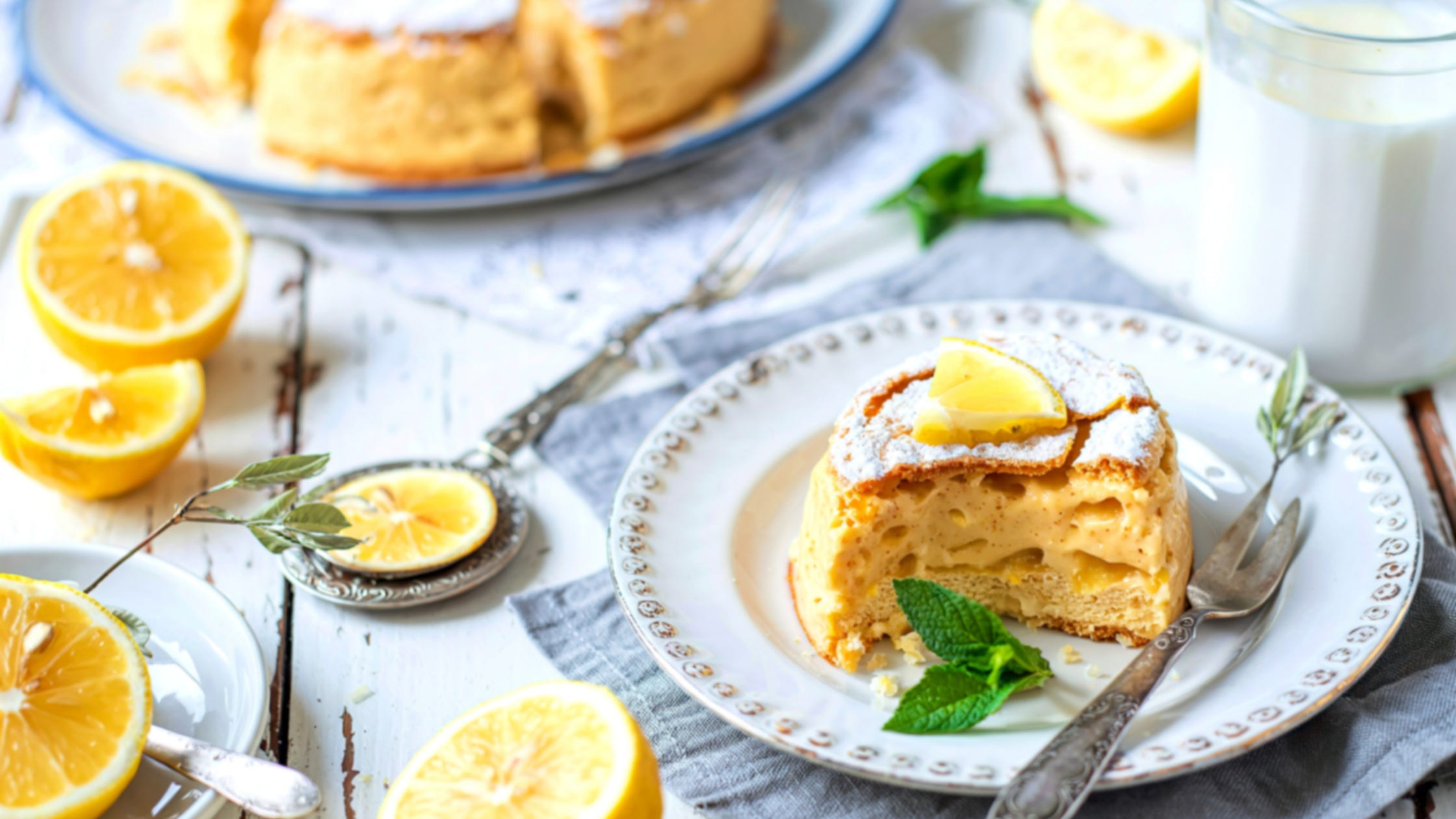
Which brings me to one of the strangest trends making its way back into kitchens right now: mayonnaise cake.
Before you recoil (I get it, I did too), hear me out — because there’s real history and real science behind why mayo works so beautifully in baking, especially in high-protein desserts.
A Little History: When Mayo Saved the Day
Mayonnaise cakes actually date back to the 1930s, when eggs and butter were expensive or rationed. Home bakers realized that mayo — made from oil, egg yolk, and vinegar — could add the same richness and moisture without the extra cost or fuss.
It became a Depression-era staple. Families would whip up “chocolate mayonnaise cake” as a way to stretch ingredients, and the results were shockingly tender and rich. No one knew why it worked so well — they just knew it did.
Why Mayo Works (Especially in Protein Baking)
Here’s the nerdy part — and why I’m obsessed with this trick for my high-protein desserts.
Protein powder (especially whey or casein blends) absorbs a lot of liquid. That’s why so many protein mug cakes turn out dry, crumbly, or rubbery. You add more milk or yogurt, and it helps a bit, but often not enough.
Enter: mayonnaise.
It’s the ultimate moisture booster because it adds both fat and emulsification — meaning it keeps all those dry ingredients hydrated and bound together as they cook. The result? A soft, tender crumb that feels like a “real” dessert, not a compromise.
And no, you don’t taste the mayo. What you taste is the difference it makes.
